|
W.A.C.E. was pleased this summer to collaborate with our partners at the Association for Chamber of Commerce Executives (ACCE) on a joint member survey exploring the current state of activity around workforce development initiatives. The result is the Workforce Priorities Chamber Pulse Survey. Here's a summary of what we learned.
0 Comments
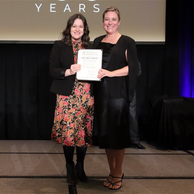
Chamber professionals from across the region gathered recently at the Hyatt Centric Fisherman's Wharf in San Francisco for another successful year of the W.A.C.E. Academy and Academy-Plus program. From August 2–6, participants dug into the fundamentals of chamber management, tackled the strategic challenges shaping the future of the profession, and — as always — built the kind of peer relationships that outlast the week itself.
Dave Kilby, President Emeritus, W.A.C.E. We’ve all heard the saying “the more things change, the more they stay the same.”
It definitely applies to the chamber world where many things have dramatically changed in recent years, but one thing has remained a constant – the high amount of chamber CEO turnover. A goal of mine and of W.A.C.E. has long been that when someone accepts the CEO position, they will make the chamber business a career, not just another job. With all of this turnover happening – my estimate is that about 30% of the chambers in W.A.C.E. have had a CEO change over the last 3 years – I reached out to dozens of Chamber execs (past and present) for their advice for a new Chamber CEO. Here are some of the responses they shared (Note: most have been shortened or edited to avoid duplication): For local Chambers, diversifying revenue streams is always top of mind. As we continuously look beyond traditional membership dues to fund impactful community programs, government and foundation grants have increasingly entered the conversation.
To find out where Western chambers stand on this front, W.A.C.E. recent Chamber Snapshot Survey focused on Grant Readiness. The data provides a clear picture of how chambers are leveraging grants and where we have room to grow. Glenn Morris, President & CEO, W.A.C.E The 2026 W.A.C.E. Benchmarking Survey shows a chamber industry that remains broadly stable and optimistic about its own future, even as respondents are more cautious about the broader economy. Overall, the most noteworthy year-over-year changes are: stronger expectations for new member sales; a notable increase in chambers expecting to raise dues next year; increased use of tiered membership-only dues models; improved market-share awareness; and continued confidence in chambers despite caution about state and national economic conditions.
Chambers of commerce increasingly face growing pressure to deliver more value with limited staff and resources. Members expect personalized communication, relevant programming, and digital experiences that feel modern and intuitive. At the same time, chamber teams must juggle membership management, event coordination, sponsorships, advocacy, communications, and reporting.
That’s why more organizations are investing in modern chamber management technology to improve efficiency without sacrificing the personal relationships that define successful chambers. AI can help automate repetitive tasks, streamline workflows, improve communication, and uncover valuable insights that support smarter decision-making. Government relations is one of the clearest ways chambers fulfill their mission to strengthen the business climate, support economic growth and improve the competitiveness of their communities.
For many smaller chambers, government relations can feel intimidating. Limited staff capacity, competing priorities and concerns about politics often push advocacy work to the side. The good news is that an effective government relations program does not require a large budget, a full-time lobbyist or a complicated structure on day one. Most successful chamber advocacy programs begin with a few consistent habits, strong relationships and a clear understanding of member priorities. Every chamber is working to help its community thrive. That work is rewarding, but it is also getting more complex. Boards are asking more questions. Staff teams are managing more responsibilities. Members want to see clear value. In that environment, good information and practical tools matter.
That is exactly why W.A.C.E. continues to invest in resources that help our members lead with more confidence. Chamber management is perhaps one of the only professions where an individual is expected to be a marketing strategist, a government affairs advocate, an event producer, and a non-profit financial manager all in the exact same week. For professionals new to the chamber world, or those stepping into expanded executive roles, navigating these overlapping responsibilities can be a demanding transition.
Just over two months from now, the W.A.C.E. Chamber Professionals Leadership Academy will convene again in San Francisco. New executives, staff members advancing their careers, and Chamber pros sharpening their saws will gather to participate in three days of learning, networking, and sharing all with the goal of helping them better deliver on the promise of a high-impact local Chamber in their community.
The Academy Committee works to ensure that the program content is current, relevant, and that courses are led by faculty who bring experience and subject matter expertise to their presentations. This year’s program includes both new/enhanced courses and new faculty. |
AuthorWrite something about yourself. No need to be fancy, just an overview. Archives
August 2026
Categories |
RSS Feed